
Can you tile a kitchen backsplash yourself? Yes, absolutely! With a little patience and the right tools, anyone can tackle tiling a kitchen backsplash. What is a kitchen backsplash? It’s the protective and decorative surface between your countertop and cabinets, preventing splashes from hitting your walls. This guide will walk you through the process, making it feel less daunting and more achievable.
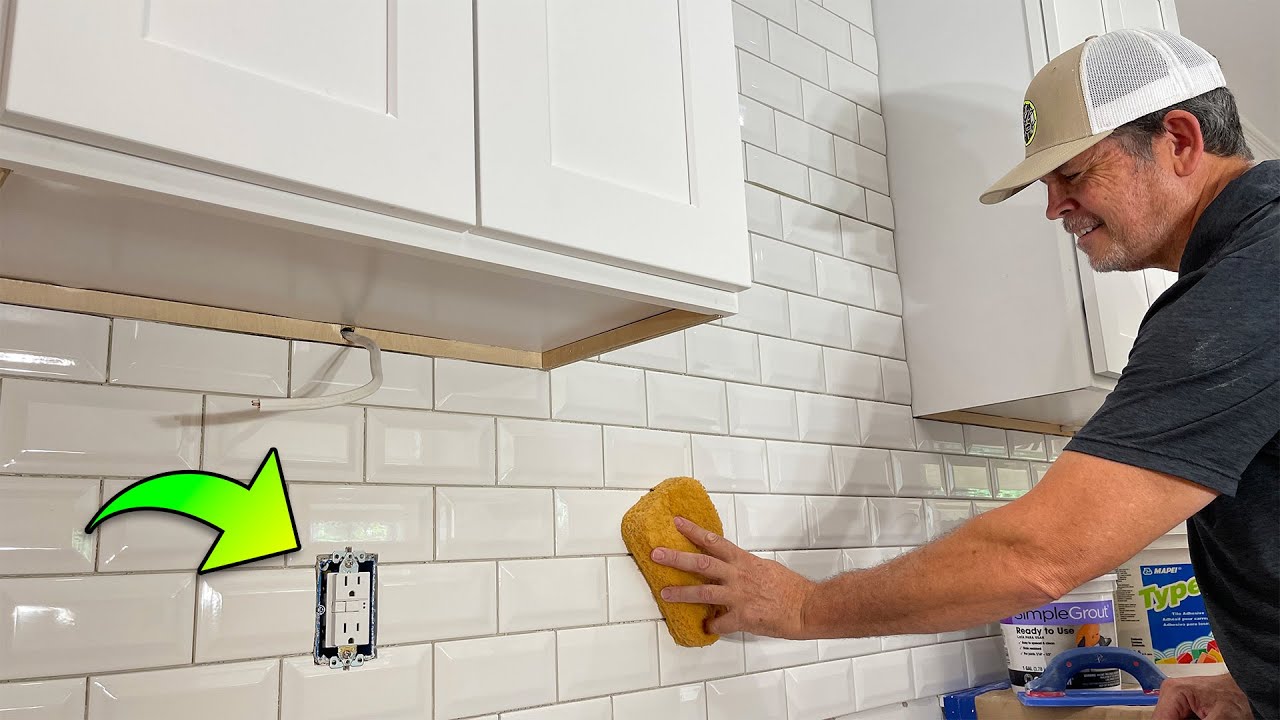
Image Source: i.ytimg.com
Getting Started: Planning Your Tiling Project
Before you even pick up a tile, good planning is key. This makes the job smoother and ensures a professional-looking finish.
Choosing Your Tiles
The world of kitchen backsplash tiles is vast! Consider these factors:
- Material: Ceramic and porcelain are popular, durable, and easy to clean. Natural stone like marble or granite offers a luxurious feel but requires sealing. Glass tiles add shimmer and can brighten a space. Metal tiles provide a modern, industrial look.
- Size and Shape: From small mosaics to large format tiles, the size and shape dramatically impact the final look. Smaller tiles often require more grout lines, while larger tiles can make a small kitchen feel more spacious.
- Color and Pattern: Think about your existing kitchen decor. Do you want a bold statement or a subtle complement?
- Budget: Prices vary significantly based on material and design.
Calculating How Much Tile You Need
Measure the height and width of the area you want to tile. Multiply these numbers to get the square footage. Always add 10-15% extra for cuts, mistakes, and future repairs. It’s better to have too much than to run out mid-project!
Essential Tools and Materials
Having everything ready before you start will save you time and frustration.
Tools:
- Tile Spacers: These little plastic pieces ensure consistent gaps between tiles for a neat grout line.
- Trowel: A notched trowel is used to spread the tile adhesive evenly onto the wall. The notch size depends on your tile size.
- Grout Float: A rubber-faced tool used to press grout into the spaces between tiles.
- Tile Cutter: For straight cuts, a manual tile cutter is often sufficient for ceramic and porcelain.
- Tile Saw / Wet Saw: For more complex cuts, especially with natural stone or thicker tiles, a tile saw (often a wet saw) is invaluable. A wet saw uses water to keep the blade cool and reduce dust.
- Tile Nippers: These are essential for making small, curved cuts around outlets or intricate shapes.
- Utility Knife: For scoring or trimming excess adhesive.
- Measuring Tape: For accurate measurements.
- Level: To ensure your tiles are straight and even.
- Pencils: For marking cuts.
- Buckets: For mixing tile adhesive or mortar and for cleaning tools.
- Sponge: For wiping away excess grout.
- Rags/Cloth: For cleaning up spills and polishing.
- Safety Glasses: Always protect your eyes when cutting tiles.
- Gloves: To protect your hands from tile adhesive and grout.
- Grout Cleaner: Useful for removing excess grout haze after the job is done.
Materials:
- Tile: Your chosen backsplash tiles.
- Tile Adhesive/Mortar: The “glue” that holds your tiles to the wall. For backsplashes, pre-mixed tile adhesive is convenient, or you can use powdered mortar mixed with water. Ensure it’s suitable for your tile type and wall surface.
- Grout: Fills the spaces between tiles. It comes in sanded and unsanded varieties. Sanded grout is typically used for wider grout lines (1/8 inch or more), while unsanded is for narrower lines.
- Sealer: If using natural stone or porous tiles, a sealer protects them from stains. Grout sealer is also recommended to prevent staining.
- Painter’s Tape: To protect adjacent surfaces.
Step-by-Step Guide to Tiling Your Backsplash
Let’s get to work! Follow these steps for a successful tiling project.
Step 1: Prepare the Wall Surface
This is a crucial step for good adhesion.
- Clean the Wall: Ensure the wall is clean, dry, and free of grease, dust, or old paint. Use a degreaser if necessary.
- Repair Imperfections: Fill any holes or cracks with spackle and sand smooth.
- Remove Obstacles: Take down any outlet covers, switches, or shelves.
- Protect Surfaces: Use painter’s tape to protect countertops, cabinets, and any areas you don’t want to get dirty. Cover your countertops with a drop cloth.
Step 2: Lay Out Your Design
Before you apply any tile adhesive, it’s smart to do a dry run.
- Find Your Center: Most backsplashes look best when centered. Find the middle point of the wall area you’re tiling and mark it.
- Dry Fit: Lay out your tiles on the countertop or floor in the pattern you plan to use. This helps you visualize the layout and identify where you’ll need to make cuts. This is especially helpful if you have a pattern or a lot of outlets.
Step 3: Mix the Tile Adhesive or Mortar
If you’re using powdered mortar, mix it according to the manufacturer’s instructions. The consistency should be like thick peanut butter – firm enough to hold its shape but spreadable. If using pre-mixed tile adhesive, ensure it’s at room temperature.
Step 4: Apply the Tile Adhesive
Work in small sections (about 2-3 square feet at a time) so the adhesive doesn’t dry out before you can place tiles.
- Use the Trowel: Hold the trowel at a 45-degree angle and spread the tile adhesive onto the wall. The notched side of the trowel creates ridges. These ridges ensure good coverage and allow air to escape when you press the tiles down. The size of the notches on your trowel should match the recommendations for your tile size.
Step 5: Start Tiling
Now for the fun part!
- Begin at Your Center Mark: If you found your center, start there and work outwards. Alternatively, you can start from one end or corner.
- Place the First Tile: Press the first tile firmly into the tile adhesive with a slight twisting motion. This helps set it properly.
- Use Tile Spacers: Place tile spacers between each tile as you go. This maintains consistent gaps for your grout.
- Check for Level: Periodically use your level to ensure your rows are straight. Adjust tiles as needed before the adhesive sets.
- Work in Sections: Continue applying adhesive and tiles, working your way across the backsplash area.
Step 6: Making Cuts
This is where a tile cutter, tile saw, or tile nippers come in handy.
- Straight Cuts: For most straight cuts on ceramic or porcelain tiles, a manual tile cutter is efficient. Score the tile with the cutting wheel, then snap it along the scored line.
- Complex Cuts: For cuts around outlets, windows, or intricate shapes, you’ll likely need a tile saw (often a wet saw) or tile nippers. A wet saw makes precise cuts and is easier for beginners to control compared to a dry saw. Tile nippers are used for small adjustments or curved cuts. Always wear safety glasses when cutting tiles.
- Measure Twice, Cut Once: Carefully measure and mark your cut lines.
Step 7: Allow the Adhesive to Dry
Once all your tiles are in place and any necessary cuts are made, let the tile adhesive dry completely. Check the manufacturer’s recommendations, but typically this takes 24-48 hours. During this time, avoid touching the tiles.
Step 8: Grouting the Backsplash
Grouting fills the gaps and gives your backsplash a finished look.
- Mix the Grout: Mix your grout according to the manufacturer’s instructions. Like mortar, it should have a thick, paste-like consistency.
- Apply Grout with Grout Float: Scoop some grout onto your grout float. Hold the grout float at a 45-degree angle and spread the grout over the tiles, pressing it firmly into the spaces between them. Work diagonally across the tiles to ensure all gaps are filled.
- Remove Excess Grout: Use the edge of the grout float to scrape off as much excess grout as possible, again working diagonally.
Step 9: Clean Off Excess Grout
This is a multi-step cleaning process.
- Initial Wipe-Down: After about 15-30 minutes (check grout instructions for setting time), use a damp sponge to gently wipe away the excess grout from the tile surfaces. Rinse the sponge frequently in clean water. Be careful not to dig out the grout from the joints.
- Second Wipe-Down: After another hour or so, you may need a second, lighter wipe with a slightly damp sponge to remove any remaining grout haze.
- Buffing: Once the grout has dried further (usually a few hours), a dry cloth can be used to buff away any stubborn haze. For tough residue, a grout cleaner can be very effective, but test it in an inconspicuous area first.
Step 10: Seal the Grout and Tiles
Sealing protects your grout from stains and moisture.
- Grout Sealer: Apply a grout sealer with a small brush or applicator once the grout has fully cured (this can take several days to a week, depending on the product). Wipe away any excess from the tile surface.
- Tile Sealer (if needed): If you have natural stone or porous tiles, apply a tile sealer as per the product instructions.
Troubleshooting Common Tiling Issues
Even with careful planning, you might encounter a few hiccups.
Uneven Grout Lines
- Cause: Inconsistent tile spacer use or uneven tile adhesive application.
- Fix: For minor inconsistencies, you might be able to slightly adjust tiles before the adhesive sets. Once the grout is in, significant differences are hard to fix without retiling that section. In the future, be meticulous with tile spacers and your trowel.
Grout Haze
- Cause: Not cleaning off enough excess grout, or cleaning too aggressively before the grout sets.
- Fix: Use a dedicated grout cleaner and a clean cloth to buff away the haze. Make sure you’re using the right cleaning technique – damp sponge, not soaking wet, and rinse the sponge frequently.
Cracked Tiles
- Cause: Tiles hitting each other during installation, dropped objects, or extreme temperature changes.
- Fix: Carefully chip out the grout around the cracked tile using a utility knife or grout saw. Remove the cracked tile. If the adhesive is very hard, you might need a small chisel. Clean out the space thoroughly. Cut a new tile to size using your tile saw or tile cutter, apply new tile adhesive, and set the new tile, ensuring tile spacers are in place.
Dealing with Outlets and Switches
- Problem: How to cut tiles to fit around electrical outlets.
- Solution: This is where tile nippers and a wet saw are your best friends. Measure the distance from the outlet to the edges of your tile. Mark your tile carefully. For simple rectangular cutouts, a wet saw can make multiple straight cuts to remove the section. For more intricate shapes, tile nippers are useful for taking small bites out of the tile. Always turn off the power to the outlet at the breaker before working near it. Consider using a tile that is larger than the outlet box to avoid awkward cuts.
Table: Tile Backsplash Installation Checklist
| Task | Tools Needed | Materials Needed | Notes |
|---|---|---|---|
| Preparation | Cleaner, degreaser, spackle, sandpaper, utility knife | Painter’s tape, drop cloth | Ensure a clean, dry, and smooth wall surface. Protect surrounding areas. |
| Layout Planning | Measuring tape, pencil, level | Dry-fit tiles to plan your layout and cuts. | |
| Adhesive Application | Notched trowel | Tile adhesive or mortar | Work in small sections, 45-degree angle for trowel. |
| Tile Setting | Tile spacers, level | Tiles | Press firmly, use tile spacers, check for level often. |
| Tile Cutting | Tile cutter, tile saw (or wet saw), tile nippers, measuring tape, pencil, safety glasses | Measure twice, cut once. Use appropriate tool for the cut. | |
| Drying Time | N/A | N/A | Allow tile adhesive to cure fully (24-48 hours). |
| Grouting | Grout float, bucket, sponge | Grout | Work diagonally, fill all gaps, remove excess with grout float. |
| Grout Cleaning | Damp sponge, clean cloths, grout cleaner (optional) | Gentle wiping, rinse sponge often. Buff away haze. | |
| Sealing | Small brush or applicator, clean cloth | Grout sealer, tile sealer (if needed) | Apply once grout is fully cured. Wipe off excess. |
Frequently Asked Questions (FAQ)
Q: How long does it take to tile a kitchen backsplash?
A: For a standard backsplash, it can take anywhere from 4 hours to a full weekend, depending on your experience level, the size of the area, and the complexity of the tile design. The drying time for tile adhesive and grout adds extra days before sealing.
Q: Can I tile over existing tiles?
A: In some cases, yes. If the existing tiles are flat, well-adhered, and the surface is properly cleaned and prepped, you can often tile over them. However, this might make your backsplash thicker, so consider how outlets and counters will align.
Q: What type of tile adhesive should I use?
A: For most kitchen backsplashes, a pre-mixed thin-set tile adhesive is a good choice. If you’re using heavier tiles like natural stone or large format porcelain, you might need a modified thin-set mortar specifically designed for that purpose. Always check the tile and adhesive manufacturer’s recommendations.
Q: How do I clean grout haze?
A: After the grout has dried for a few hours, use a damp sponge to wipe away the haze. Rinse the sponge frequently. If haze persists, a diluted white vinegar solution or a specialized grout cleaner can be effective. Always test in a small, inconspicuous area first.
Q: Do I need a wet saw for a kitchen backsplash?
A: Not necessarily. If you’re using simple, small ceramic or porcelain tiles with mostly straight cuts, a manual tile cutter might suffice. However, for intricate patterns, natural stone, glass, or larger tiles, a wet saw is highly recommended for cleaner, more precise cuts and reduces the risk of tile breakage.
Tiling a kitchen backsplash is a rewarding DIY project that can dramatically update your kitchen’s look. By following these detailed steps and gathering the right tools, you can achieve professional-looking results and add lasting value to your home. Enjoy your beautiful new backsplash!